
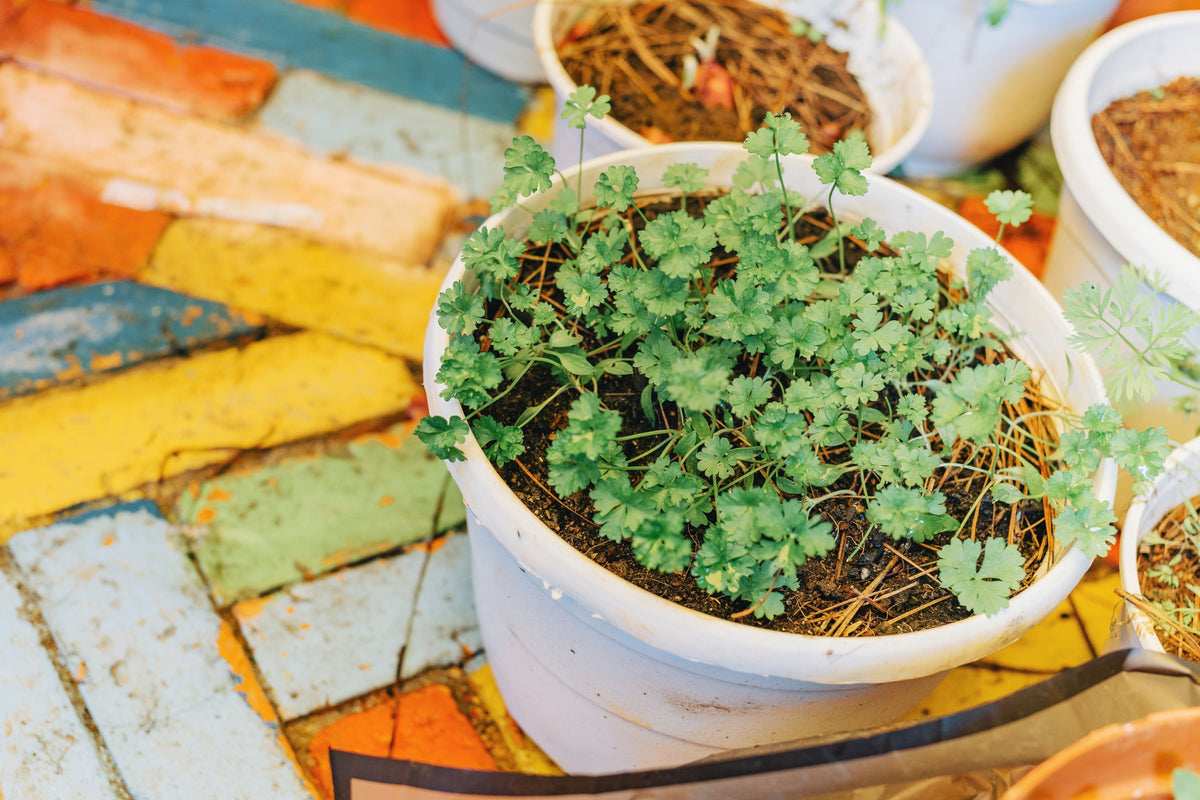
There's a moment in a herb's life that most people walk right past. It happens right before the plant flowers, when it's putting everything it has into one last concentrated push, and it's also, not coincidentally, the moment herbalists have learned to watch for. Miss it, and you've still got a decent harvest. Catch it, and you're working with the plant at its absolute peak.
It's the kind of detail that changes how you see a windowsill full of herbs. This isn't just something green and pleasant to look at. It's a living thing on a schedule, and learning to read that schedule is most of what separates growing herbs from actually working with them, which is exactly the kind of plant literacy our Master Herbalist Course is built around.
The Plant Isn't Just Growing, It's Responding
Here's something that tends to surprise people the first time they hear it: a plant that's had things slightly hard on it will often make for a stronger remedy. When a herb is stressed by heat, or crowded by other roots competing for the same water, it defends itself chemically, producing more of the essential oils and protective compounds that give lemon balm its calm or peppermint its lift.
That doesn't mean the answer is neglect. It means the small imperfections of a home garden, an uneven week of watering, a pot that's a bit more crowded than the books recommend, aren't automatically failures. Sometimes they're part of what gives your harvest its character. A plant grown in slightly harder conditions has usually been working harder too, and understanding exactly what that chemistry means for a remedy's strength is one of the first things students dig into in the Master Herbalist Course.

A Practice With a Very Long Memory
None of this is new information, even though it can feel that way in a world of prepackaged tea bags and supplement aisles. Long before pharmacies existed, this was simply how people took care of themselves and each other: paying close attention to a plant, noticing exactly when it was at its best, and passing that knowledge down because someone's health depended on getting it right.
Growing a handful of herbs on your windowsill puts you in that same lineage, even in a small way. It's slower than buying dried herbs off a shelf, and it asks a bit more of your attention. But that slowness is sort of the point. You start to notice things you'd otherwise miss entirely: which buds are just starting to form, which leaves smell strongest when you brush past them, which plant is thriving and which one is quietly asking for something different.

Try This: Learn to Read Before You Cut
You don't need a finished garden to start practising this. Pick one herb, whether it's something you're growing or a pot you picked up from the shop, and spend thirty seconds actually looking at it. Are there tight, unopened buds forming at the top? Rub a leaf between your fingers and smell it. A sharp, clear scent usually means the plant is close to its best.
If the buds haven't shown up yet, that's fine; just make a note and check back in a few days. Once you spot that pre-flower stage, you've found your window. It's a small habit, but it's genuinely the first skill worth building before anything else in herbalism, and it's just the surface of what a proper herbal education covers.
Ready to Go Deeper?
Five herbs on a windowsill is just the entry point. Here's where to go from here, depending on how deep you want to take it.
Master Herbalist Course — Go deep on the plants themselves, moving from growing and harvesting into identifying, preparing and safely using a much wider range of medicinal herbs.
Natural Therapy Consultant Course — If herbalism is one piece of a bigger picture you're curious about, this takes a broader view, covering a range of natural therapies and how to bring them together to support whole-person wellbeing.
Download your Apothecary Guide
With warmth and wellness,
Health & Harmony Colleges
0 comments