
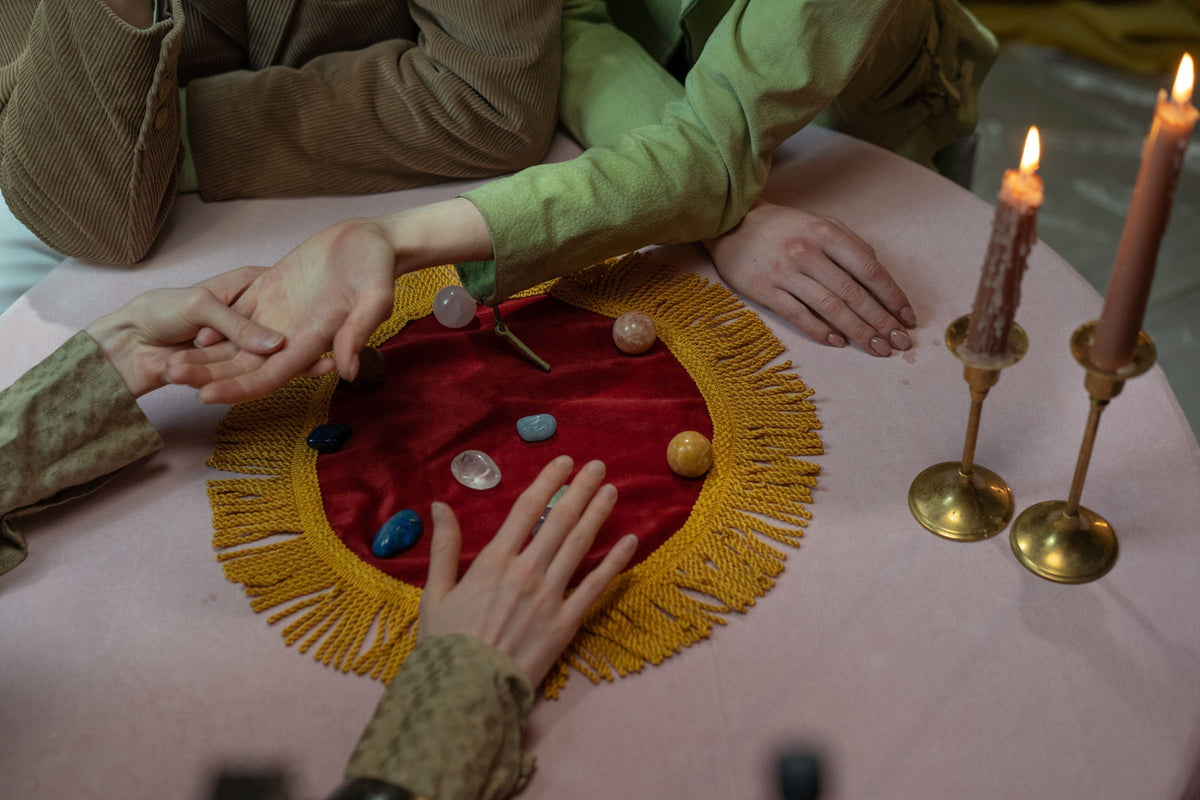
People have been looking at hands for meaning for thousands of years. Palmistry, also called palm reading or chiromancy, has roots in ancient India, China, Egypt and Greece, and it remains one of the most popular forms of self-reflection and intuitive practice today.
Whether you're simply curious or ready to study it properly, here's a beginner's guide to how palmistry works and what the main lines and shapes are said to mean.
What is palmistry?
Palmistry is the practice of reading the shape, lines and features of the hand to gain insight into personality, emotions and life path. Practitioners believe our hands reflect who we are and how we move through the world.
Most palm readers see the hands as a tool for reflection and conversation, rather than a fixed prediction of the future. Lines can change over time, and many believe our choices shape them as much as they shape us.
Which hand should you read?
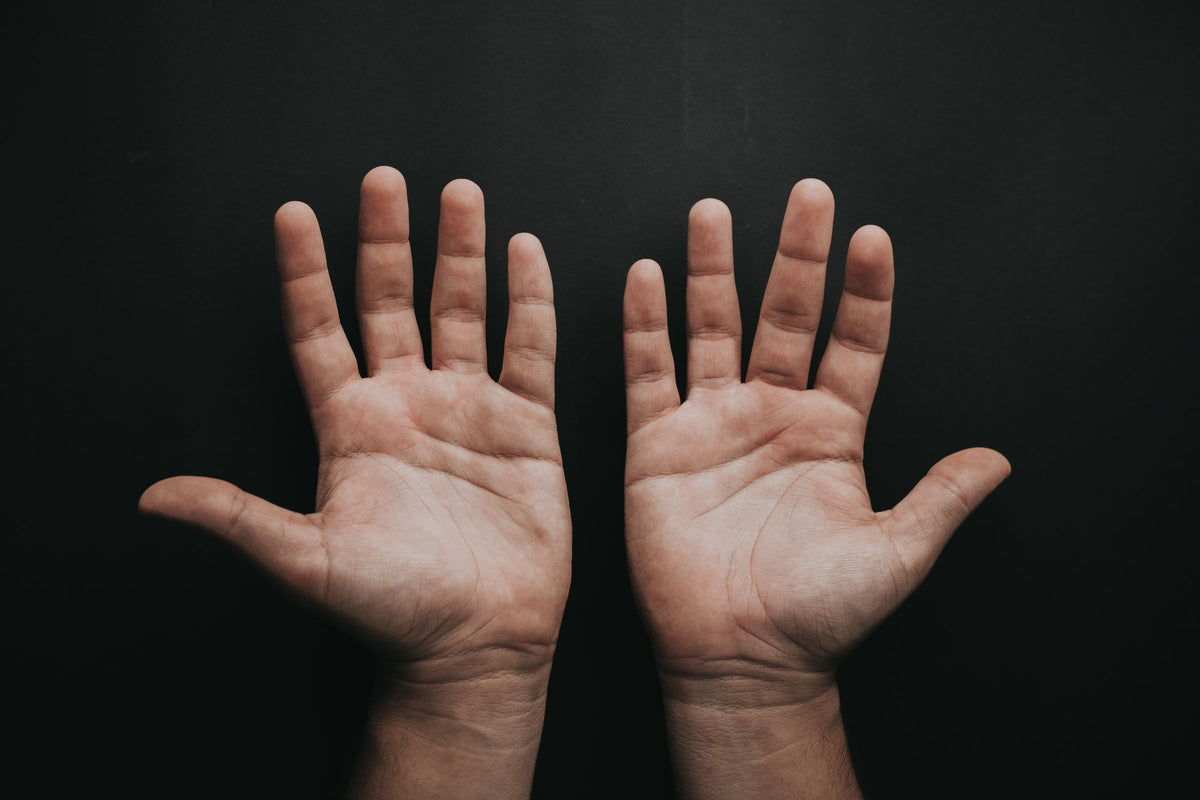
This is one of the most common questions. A popular approach is:
- Your non-dominant hand shows your natural traits and potential, or what you were born with.
- Your dominant hand shows how you've developed and what you're doing with that potential.
Comparing the two can be a lovely way to reflect on how much you've grown.
The four hand shapes
Palmistry often links hand shapes to the four elements:
- Earth hands have square palms and short fingers. They're associated with being practical, grounded, reliable and hardworking.
- Air hands have square palms and long fingers. They're associated with being curious, communicative, intellectual and social.
- Water hands have long palms and long fingers. They're associated with being sensitive, intuitive, creative and emotionally deep.
- Fire hands have long palms and short fingers. They're associated with being energetic, passionate, confident and spontaneous.
The major lines
The heart line
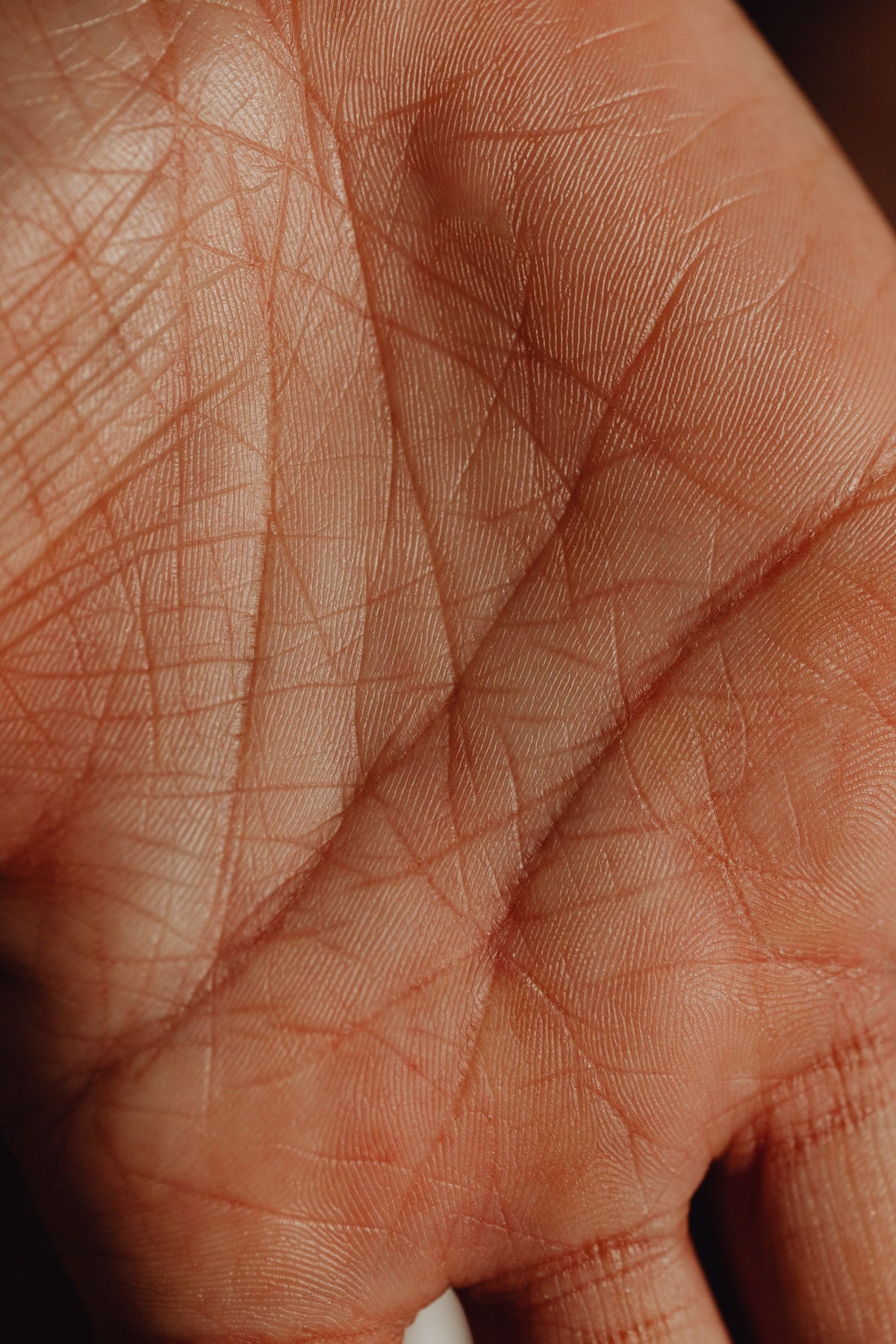
The heart line runs across the top of the palm, below the fingers. It's said to reflect emotions, relationships and how we express love. A long, curved line is often linked with warmth and openness, while a straighter line may suggest a more reserved or practical approach to feelings.
The head line
The head line sits below the heart line and runs across the middle of the palm. It's associated with thinking style, learning and decision-making. A long line can suggest a thoughtful, analytical mind, and a curved line is often linked with creativity and imagination.
The life line
The life line curves around the base of the thumb. Despite the popular myth, it's not said to predict how long you'll live. Instead, it's linked to vitality, energy and major life changes. A deep line may suggest strength and resilience, and breaks are often read as periods of transition.
The fate line
Not everyone has a fate line. When it's present, it runs vertically up the centre of the palm and is associated with career, purpose and life direction. A strong fate line is often linked with a clear sense of purpose, while a faint or missing one may suggest someone who forges their own path.
The mounts
The fleshy pads on your palm are called mounts. Each one is named after a planet and linked to different qualities:
- Mount of Venus sits at the base of the thumb and is linked to love, passion and sensuality.
- Mount of Jupiter sits below the index finger and is linked to leadership, ambition and confidence.
- Mount of Saturn sits below the middle finger and is linked to wisdom, responsibility and discipline.
- Mount of Apollo sits below the ring finger and is linked to creativity, joy and self-expression.
- Mount of Mercury sits below the little finger and is linked to communication and wit.
- Mount of Luna sits at the outer base of the palm and is linked to imagination and intuition.
A well-developed mount is said to show strong expression of those qualities.
Try it yourself
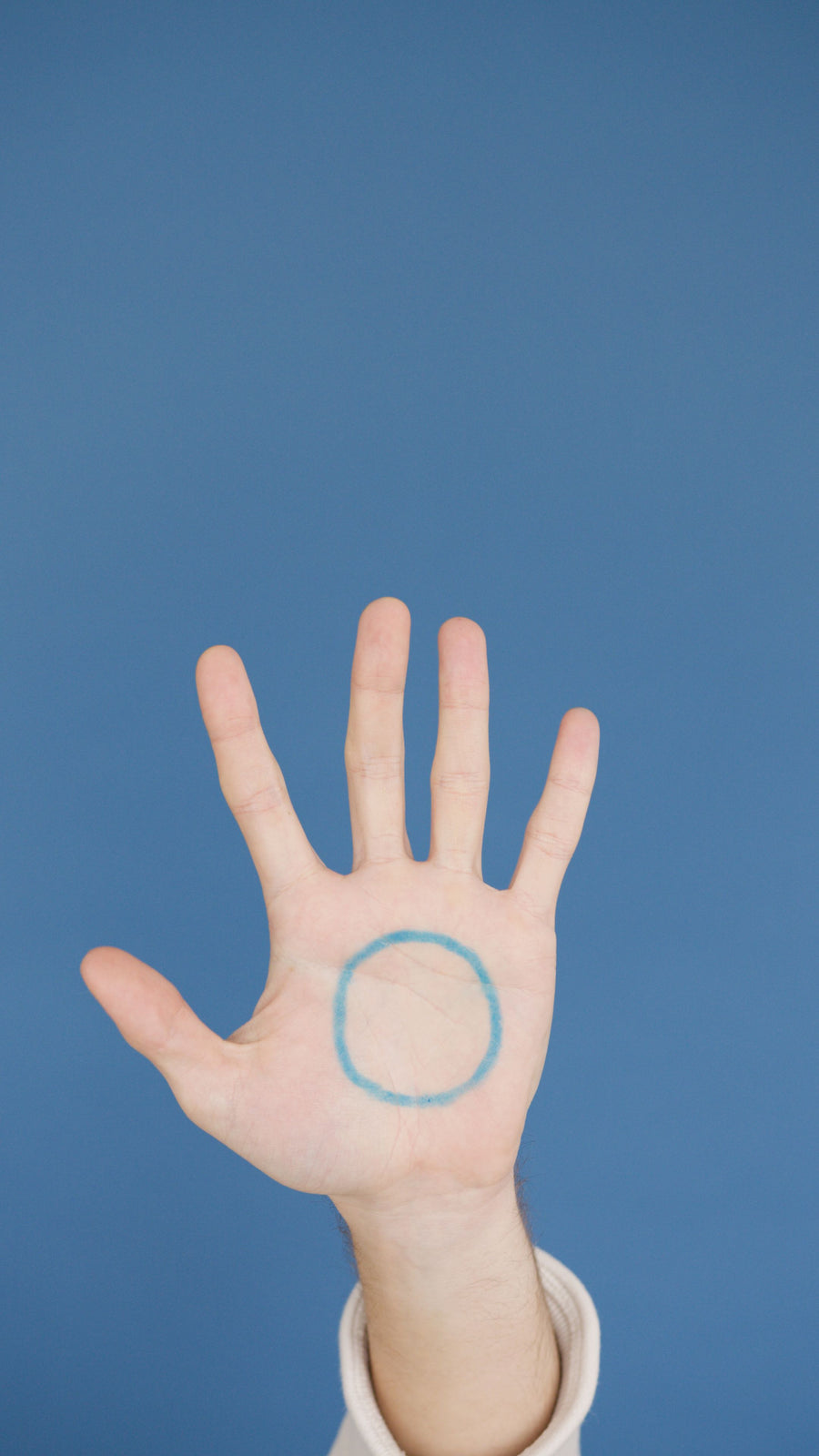
Ready to take a look? Here's a simple way to start:
- Sit somewhere with good natural light.
- Look at the overall shape of your hand first.
- Find your four major lines and notice their length, depth and curve.
- Compare your dominant and non-dominant hands.
- Write down what you notice and how it feels to you.
Remember, palmistry is about curiosity and reflection. There are no "bad" palms, only different stories.
Want to learn more?
If palmistry has sparked your interest, studying it properly can deepen your understanding and even help you offer readings to others. Our Palmistry Practitioner Course lets you learn at your own pace, from the basics of hand shapes and lines through to giving confident, insightful readings.
Palmistry is intended for self-reflection and personal insight. It isn't a substitute for professional medical, psychological or financial advice.
0 comments