
During the First World War, the hospital wards filled with young men, many barely out of school, who had come home carrying two kinds of wounds: the ones you could see, and the ones you couldn't. Some shook uncontrollably. Some woke screaming from the same nightmare every night. Some had stopped speaking altogether, staring at the wall as if part of them had never left the trenches.
And into those wards, quietly, came musicians.
They weren't doctors. Some were professionals, many were volunteers, and most simply wanted to offer a little comfort to men who had given so much. So they sat at battered ward pianos and played the songs these soldiers had grown up with, songs from home, from before the war. And the doctors and nurses began to notice something they couldn't quite explain. A man who hadn't said a word in weeks might start to hum along. Hands that trembled would slowly settle. Faces that had been shut for months softened, and sometimes there were tears, the first sign in a long time that someone was still in there. It's the kind of story that changes how you hear music. Not just as something pleasant in the background, but as something that can reach a person when very little else can. So let's take a proper look: where Holistic Music Therapy actually comes from, what the science says about how sound affects us, and one simple listening practice you can try today.

The Musicians Who Started It All
One of the musicians who started the movement was Margaret Anderton, an English-born pianist who worked with wounded Canadian soldiers. What's striking is how practical her approach was. For men struggling with what was then called "war neurosis", she played music for them to listen to. For men recovering from injured or paralysed limbs, she had them play an instrument themselves, so the music became part of rebuilding movement. In Edinburgh, Craiglockhart War Hospital treated officers with shell shock, including the poets Wilfred Owen and Siegfried Sassoon. There, weekly singing, playing and listening were built into a treatment regime designed to keep patients active and engaged.
The hospitals soon learned that goodwill on its own wasn't enough. Working with people in pain took knowledge and training. In 1919, Anderton taught one of the first university courses in "musicotherapy" at Columbia University in New York, alongside Isa Maud Ilsen, who had directed hospital music for the American Red Cross. By the Second World War, music was formally part of military reconditioning programs, and in 1944 Michigan State College launched the first university degree in music therapy. None of this is entirely new, of course. Long before hospitals existed, cultures all over the world were using chant, drumming and song in healing and ritual. What the war years added was careful observation, and a shared language for the work.

So, What Is Holistic Music Therapy?
Holistic Music Therapy is the purposeful use of music and sound to support a person's overall wellbeing: body, mind, emotions and sense of connection. It's not a concert, and it's not just a good playlist. A practitioner gets to know the person first, sets clear goals, then chooses the music and approach to suit them.
In practice, that might look like:
- Receptive work: the person listens, perhaps to music chosen to help them settle or reflect
- Active work: the person makes the sound, through singing, drumming, improvising or songwriting
- Voice work: humming, toning and chant, using the one instrument everyone already has
- Group work: shared music-making that builds connection and belonging
One distinction is worth knowing. In Australia, "Registered Music Therapist" is a professional title held by university-trained clinicians credentialed through the Australian Music Therapy Association. A holistic music therapy practitioner works in the wellbeing space, alongside clinical care rather than in place of it. Understanding exactly where that line sits is a big part of what our Holistic Music Therapy Practitioner Course teaches.

What Happens When Sound Reaches Us
Here's something that tends to surprise people: music doesn't light up just one part of the brain. It lights up many at once. Sound arrives as vibration, travels through the ear, and is turned into electrical signals. From there, music reaches the areas that handle emotion, movement, memory and reward, all at the same time.
A few of the most interesting findings:
- Emotion and reward. Researchers at McGill University found the brain releases dopamine, a chemical linked to pleasure and motivation, during peak emotional moments in music (Salimpoor et al., 2011). It's part of why a song can give you chills.
- Rhythm and the body. Our bodies naturally tend to fall into step with a steady beat, a process called entrainment. It's why your foot starts tapping before you've decided to.
- Calm. Slow, steady music is often linked with slower breathing and a more settled state. Research reviews suggest listening to music may help ease anxiety in some settings, such as before surgery (Cochrane review).
- Memory. Musical memories are remarkably durable. People living with dementia can often still sing songs from their youth, and brain imaging suggests the areas storing long-known music are relatively spared in Alzheimer's disease (Jacobsen et al., 2015).
It's worth being honest, too. The evidence is strong in some areas and thin in others, and some popular claims, like specific "healing frequencies", aren't backed by good research. Knowing the difference is what makes a practitioner trustworthy, and it's something the course spends real time on.
Where the Work Happens Today
A century after those first hospital wards, practitioners bring music into aged care and memory support, palliative and comfort-focused care, schools, community drumming and singing groups, and private practice. That's exactly the kind of work the course is built around. Across 18 modules, it moves from how sound travels through the body into receptive, active and voice-based approaches, then client intake, session design, group facilitation, and working with older adults, children and people who are grieving.

Try This: Listen With Your Whole Body
You don't need an instrument or any musical training to start noticing how music affects you. This simple exercise is a version of structured listening, one of the receptive approaches practitioners use.
- Choose a piece of music you know well, ideally without lyrics and around three to five minutes long.
- Before you press play, notice how you feel: your breathing, your shoulders, your mood.
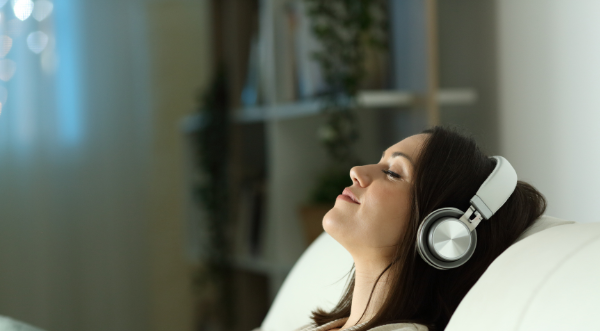
- Listen with your eyes closed, and notice where in your body you feel the music. Your chest, your hands, your feet?
- Pay attention to any shift as the music changes, whether it's a memory, an image or a change in your breathing.
- When it finishes, sit quietly for a moment and notice what's different, if anything.
There's no right answer here. Some pieces will settle you, others will stir something up, and both are worth noticing. It's a small habit, but it's genuinely where practitioner training begins: learning to pay close attention to what music does, just like those first hospital musicians did.
Want to try it properly? Download your free Listen With Your Whole Body worksheet and keep a record of what you notice each time you listen.
Ready to Go Deeper?
If this sparked something, the natural next step is the full course, moving from the history and science covered here into hands-on approaches, session design and building a practice of your own.
Holistic Music Therapy Practitioner Course — learn how sound affects the body and mind, and how to use receptive, active and voice-based approaches with individuals and groups, safely and within your scope.
With warmth and wellness,
Health & Harmony Colleges
0 comments